Skip to content

Best Home Espresso Machines on a Budget

Budget Espresso Without Compromise

Reviewed by Sarah Mitchell Updated

Top Picks

  • Best Overall Breville the Bambino Gets pressure right with 9 bar extraction and low-pressure pre-infusion; ThermoJet heats in 3 seconds for daily convenience.
  • Best Upgrade Platform Gaggia Classic Pro E24 Lead-free brass boiler, 58 mm portafilter, and stronger steaming; built to keep and gradually improve with technique.
  • Best Compact De'Longhi Dedica Arte Genuinely slim 5.9 inch width with updated baskets supporting up to 16 g doses; ideal for tight counters.
  • Best Under $150 De'Longhi Stilosa Affordable 15 bar pump machine with stainless steel boiler; forgiving for beginners with predictable workflow.

Essential Points

  • Espresso extraction typically targets 9 bar at the puck; higher-rated pumps need over-pressure valves to regulate down.

  • Temperature stability and consistent brew pressure matter more than peak bar specs on the box.

  • An espresso-capable burr grinder is essential; without fine consistent grounds you're forced into pressurized baskets.

  • Budget machines trade thermal stability and steam power for affordability; expect a learning curve.

  • The Bambino balances credible extraction with 3-second heat-up; Gaggia Classic Pro offers a 58 mm upgrade platform.

  • Manual lever options like Flair NEO Flex teach extraction fundamentals without paying for unnecessary features.

What Espresso Actually Means

The classic Specialty Coffee Association definition describes espresso as a 25–35 mL beverage made from 7–9 g of coffee (14–18 g for a double) with water in the 195°–205°F (90.5°–96.1°C) range pushed through at about 9–10 atmospheres of pressure, with a brew time of roughly 20–30 seconds.

Those numbers matter because they explain why budget machines often disappoint: if temperature and pressure wander, the shot swings sour or bitter fast. The good news is that many of today's best budget friendly espresso machines are built around solving these exact basics, even if they do it with simpler heating systems and smaller boilers.

Pressure is the most misunderstood spec. Many entry machines advertise a 15-bar pump or higher, and that sounds like more must be better. In reality, espresso extraction typically targets about 9 bar at the puck.

Better machines use a pump capable of higher pressure, then regulate it down with an over-pressure valve or similar control. That's why you'll see reputable brands describe a 15 bar pump but still highlight 9 bar extraction.

If you take nothing else from this guide, take this: a machine that can consistently hit regulated 9 bar with decent temperature control will outperform a cheaper unit that simply blasts water through a pressurized basket and calls it crema.

The other half of the budget equation is grinding. If your grinder can't produce fine, consistent grounds, you'll be forced into pressurized baskets to fake resistance, and that limits flavor clarity.

Pressurized baskets are not automatically bad—they're a smart on-ramp for pre-ground coffee or a starter grinder—but you should know what you're trading away: less control, less nuance, and often a narrower window for dialing in.
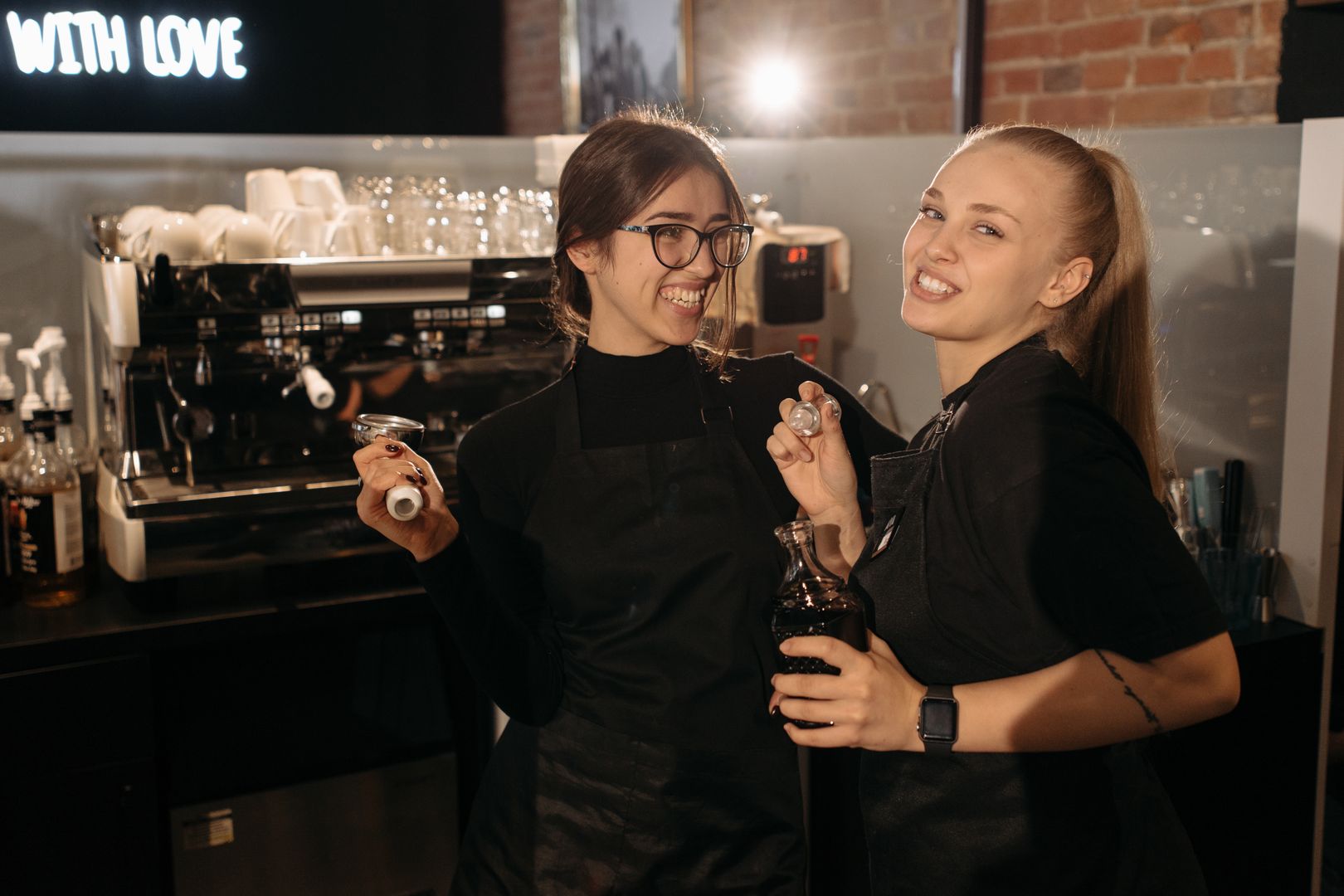
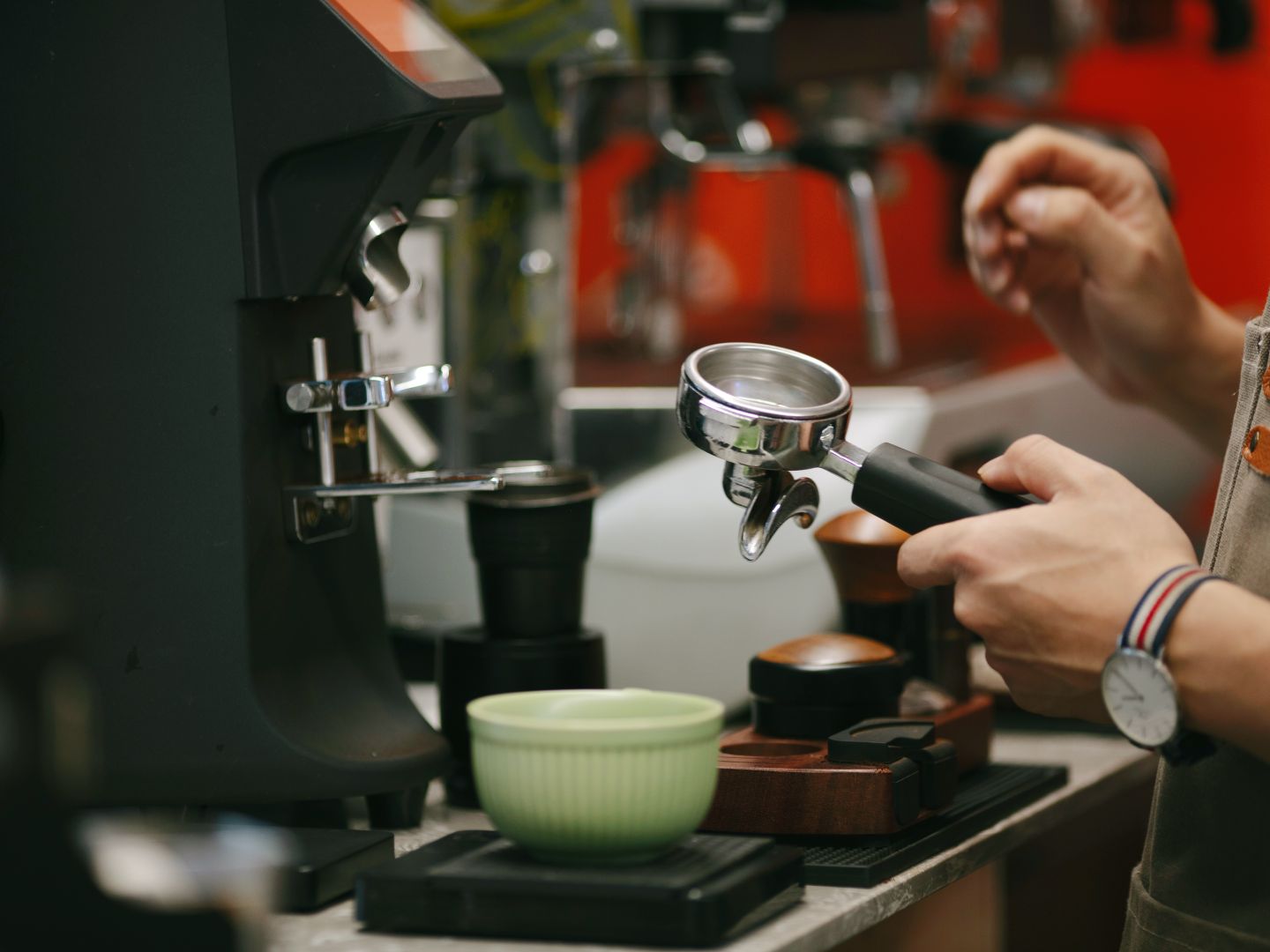
Home espresso machine with portafilter and burr grinder
A quality home espresso setup combines a capable machine with consistent grinder and fresh beans.

Budget Espresso Machine Rankings

Five tested picks that balance credible extraction with real-world affordability and daily convenience

Best Budget Espresso Machines

Ranked in the order I'd personally buy them in July 2026, balancing extraction quality, workflow, and long-term value.

Breville the Bambino

Breville the Bambino

Best Overall

Rare affordable machine that gets pressure right with 15 bar Italian pump delivering 9 bar extraction and low-pressure pre-infusion; ThermoJet heating ready in 3 seconds.

4.5/5
  • Regulated 9 bar extraction with pre-infusion
  • 54 mm portafilter with 18 g dose
  • ThermoJet heats in 3 seconds
  • fast workflow for daily use
  • Limited steam power for back-to-back milk drinks
  • learning curve on milk texturing
  • compact design trades thermal mass
Gaggia Classic Pro E24

Gaggia Classic Pro E24

Best Upgrade Platform

Built like a serious espresso machine with lead-free brass boiler, 58 mm stainless-steel portafilter, and 15 bar Ulka pump calibrated to 9 bar via OPV.

4.5/5
  • Lead-free brass boiler for thermal stability
  • 58 mm portafilter ecosystem
  • stronger steaming
  • commercial-style wand
  • long-term upgrade path
  • Costs more than compact alternatives
  • requires more temperature and timing management
  • better results demand capable grinder and patience
De'Longhi Dedica Arte

De'Longhi Dedica Arte

Best Compact

Genuinely slim at 5.9 inches wide with thermoblock heating, 15-bar pump, and updated filter baskets supporting up to 16 g doses for stronger milk drinks.

4.0/5
  • Slim 5.9 inch footprint for tight counters
  • thermoblock heats in 40 seconds
  • updated baskets support 16 g doses
  • daily cappuccino friendly
  • Stock workflow pushes toward pressurized baskets
  • lighter build feels less planted when tamping
  • limited compared to 58 mm ecosystems
De'Longhi Stilosa

De'Longhi Stilosa

Best Under $150

Lowest-cost electric pump machine with 15 bar pump, stainless steel boiler, and 33.81 oz water tank; simple workflow forgiving for beginners.

3.5/5
  • Lowest price point at $149.95
  • 15 bar pump and stainless steel boiler
  • can steam milk
  • simple and forgiving for beginners
  • Temperature stability not in Bambino or Gaggia league
  • basic accessories
  • best results typically from pressurized basket
Flair NEO Flex

Flair NEO Flex

Best Manual

Most affordable path to true espresso pressure at $99; manual lever operation teaches extraction fundamentals—dose, grind, distribution, and pressure control.

4.0/5
  • Lowest price at $99
  • teaches extraction fundamentals hands-on
  • you control pressure
  • no built-in features to pay for
  • surprisingly satisfying shots
  • Manual workflow: boil water separately, press manually, no steam wand
  • not ideal for repeated milk drinks

Breville the Bambino Deep Dive

The Breville the Bambino is the rare affordable machine that gets the pressure story right: it uses a 15 bar Italian pump, then delivers low-pressure pre-infusion followed by 9 bar extraction. It also uses a 54 mm portafilter and is designed around an 18 g dose, which puts you in a sensible modern double zone without needing boutique accessories. The standout for daily living is speed: the ThermoJet heating system is designed to be ready in 3 seconds, which means you'll actually make espresso on weekdays instead of saving it for the weekend.

Budget Espresso Trade-offs

Advantages

  • Get into espresso for a fraction of prosumer setup costs
  • Make café-style milk drinks at home daily
  • Modern compact machines genuinely fast and approachable
  • Learn extraction fundamentals with clear feedback
  • Clear upgrade paths available as technique improves

Limitations

  • Less temperature stability than expensive equipment
  • Less steam power limits back-to-back milk drinks
  • Narrower forgiving window demands more technique
  • Budget trade-off: money saved up front for more patience and practice

Workflow and Common Mistakes

Practical steps that prevent 90 percent of my machine is bad problems and smart ways to avoid wasting money on accessories

Practical Espresso Workflow

If you're new to espresso, here's the practical workflow that prevents 90 percent of my machine is bad problems. Step 1: choose fresh beans you actually like and keep them sealed.

Step 2: grind for espresso—fine enough that the coffee creates resistance, not so fine that it chokes the machine. Step 3: prep the puck consistently: dose, distribute, then tamp level.

Step 4: brew with a repeatable recipe; a strong starting point is a 1:2 brew ratio, for example 18 g in and 36 g out, with about 25–30 seconds of extraction time.

Step 5: steam and texture milk to a drinkable microfoam range, typically around 140–150°F, then pour immediately. Step 6: clean as you go—purge and wipe the steam wand, rinse baskets, and don't let old coffee oils build up.

There are also a few common mistakes that waste money on accessories when the real fix is simpler. One: treating 15 bar like a quality guarantee; regulated 9 bar at the puck is what you're chasing.

Two: upgrading the machine before upgrading the grinder—espresso is brutally honest about grind quality. Three: ignoring water hardness; scale buildup ruins performance and can shorten machine life.

Four: expecting café-level steam from a tiny entry machine; some budget units can texture milk well, but they can't do it fast for a crowd.

Six-Step Espresso Process

  • Choose fresh beans you like and keep them sealed
  • Grind fine enough to create resistance without choking the machine
  • Dose, distribute, and tamp the puck level
  • Brew with repeatable 1:2 ratio, 25–30 seconds extraction
  • Steam milk to 140–150°F microfoam, pour immediately
  • Clean as you go: purge steam wand, rinse baskets
Espresso portafilter with tamped coffee puck
Consistent puck preparation—dose, distribute, tamp level—is the foundation of repeatable espresso extraction at home.

Final Recommendation

If you want one answer without overthinking it, the Bambino remains the most sensible best espresso machine on a budget choice because it balances credible extraction with the kind of speed and simplicity that fits real life. If you like tinkering and upgrades, the Gaggia Classic Pro is built to be kept. If space is your limit, the Dedica Arte's slim footprint is the right compromise. And if budget is tight, the Stilosa and Flair NEO Flex both get you into espresso with honest limitations and clear upgrade paths.

View All Reviews
Disclosure This site may earn a commission from qualifying purchases through affiliate links at no extra cost to you. We only recommend products we have tested or genuinely believe will benefit our readers. Our editorial opinions remain independent.
mm

Sarah Mitchell

Product Testing Editors

Sarah leads the testing team with 8 years of experience in consumer product journalism and a deep commitment to honest, unbiased reviews. Her expertise spans cookware, small appliances, and smart home devices, always focusing on what delivers real value to everyday users.