If you're serious about long-term protection and you have the space, the EuroCave Pure L is the home wine cabinet to trust first because it's built like an actual cellar appliance, not a dressed-up beverage cooler. The Pure line is built around stable temperature and humidity control, plus shelving designed to cradle bottles rather than scuff labels. The upside is simple: the Pure line delivers real climate management for serious collectors who need a stable aging environment.
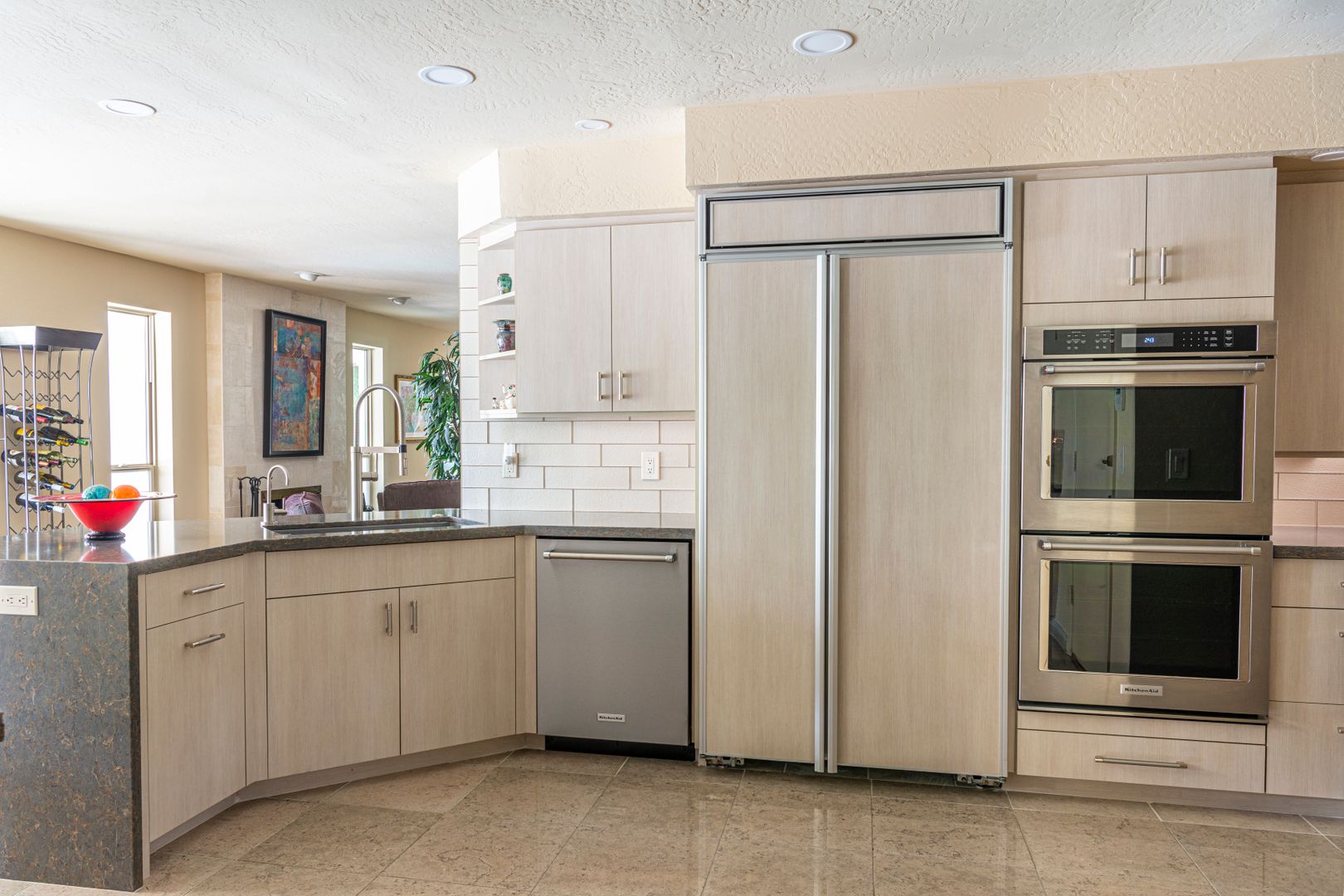
If you need a built-in kitchen unit that behaves predictably, U-Line 2224WC is the dependable undercounter choice, while Zephyr is the prettier, entertaining-leaning alternative. For homeowners and designers, the killer feature is integration: U-Line requires no extra clearance around the sides, top, or rear for ventilation, and the door swing on non-lock models is field reversible. In real homes, Zephyr tends to win on fit-and-finish and usability—racks slide nicely, the interface feels modern, and it doesn't scream cheap beverage fridge.
If you're value-driven and want dual-zone flexibility for everyday drinking, Kalamera and Whynter can do the job—just install them correctly, keep ventilation open, and size up so you're not fighting your bottle mix. The practical benefit is obvious: you can hold crisp whites in the 40s and keep reds in the 50s or low 60s without constantly rearranging. The practical drawback is also common: in many dual-zone designs at this price point, air can mix more than you expect.
And if your main joy is seeing labels and organizing like a gallery wall, the VinoView L 155 Professional is purpose-built for that style, as long as you can commit to its size, weight, and placement needs. The upside is organization and visibility; the downside is that you need to plan placement carefully, including power needs if you line up multiple units, and you're buying into a very specific storage style.
Cost is always part of the decision, but it's smarter to think in regret prevention terms. If you're storing bottles where individual bottles cost far more than the appliance, the economics flip: paying more up front for stable performance and better climate management becomes the cheaper decision over time. This is the same logic people bring to completely unrelated kitchen upgrades.
One last practical note: don't confuse storage temperature with serving temperature. Many reds taste better in the low 60s than at room temperature, and many whites taste better closer to the high 40s or low 50s than straight-from-the-fridge cold. A dual-zone cooler can help you hit those serving bands daily, but for aging, steady cellar-ish temps win.
The second reality check is capacity. Every brand quotes bottle counts based on standard 750 ml Bordeaux-shaped bottles packed just so. If you buy Burgundy, Champagne, or wider shouldered New World bottles, your real capacity is usually lower. When people complain that a cooler doesn't fit what it promised, the unit isn't always lying—it's being optimistic about what you'll actually store.
A few buying mistakes show up constantly: treating dual-zone as automatically better, ignoring ambient conditions, blocking ventilation, and overfilling. Built-in capable models still need their front grille clear, and freestanding rear-vent units need breathing room behind them. When shelves are jammed, airflow suffers, compressors run harder, and temperature stability gets worse. These mistakes are avoidable with proper planning and realistic expectations.